
Understanding the Stairway Challenge
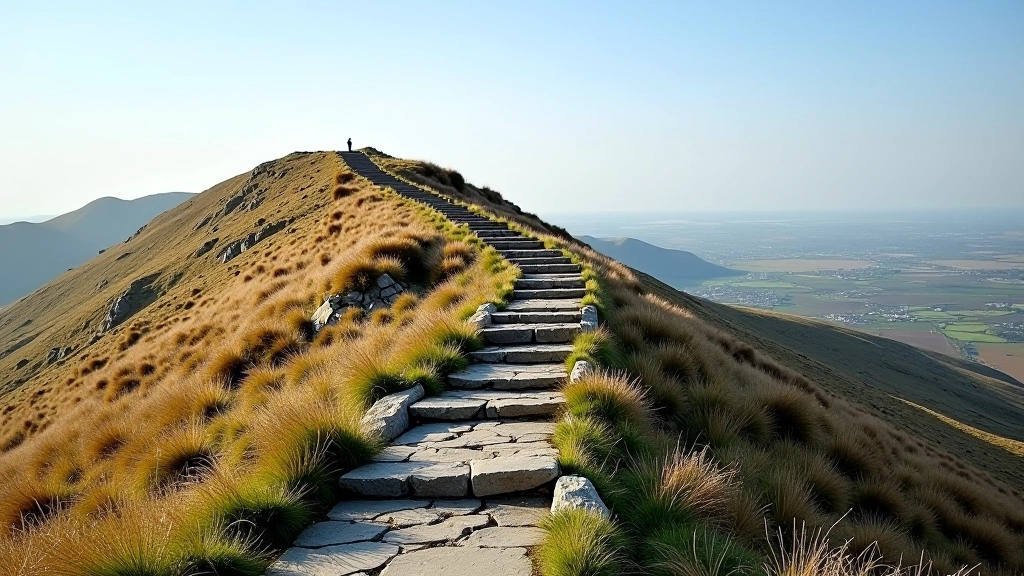
The final push up Cuilcagh's summit stairway is what stays with you. You've walked the boardwalk, navigated the plateau, and now you're facing those stone steps carved into the mountainside. It's not impossible — we've seen people of all fitness levels make it — but it does need respect and planning.
The stairway spans roughly 120 vertical meters over about 250 steps. That's steep. Your legs will feel it. Your lungs will feel it. But here's the thing: it's completely doable if you know what to expect and how to pace yourself.
Quick Facts
- 120 meters vertical elevation gain
- 250+ stone steps to summit
- Typical climb time: 12-20 minutes
- Exposed to wind and weather
Pacing Strategy: The Key to Success
You don't need to rush. In fact, rushing is what causes most people to struggle. We've watched hikers blast up the first 50 steps full of energy, then hit a wall halfway and suffer through the rest.
The secret is steady. Pick a pace you can actually sustain. You'll notice natural resting spots every 40-50 steps where the terrain flattens slightly — these aren't accidents. They're built into the stairway. Use them.
Here's what works: take maybe 3-4 steps, then reset. Breathe in for two steps, out for two steps. It sounds simple because it is. Your body isn't fighting itself, and you're not gasping for air halfway through.
Pro Tip: If you're struggling, stop completely. Sit down on a step for 30 seconds. Drink water. Let your heart rate drop. You'll be amazed how quickly you recover.
Breathing Technique That Actually Works
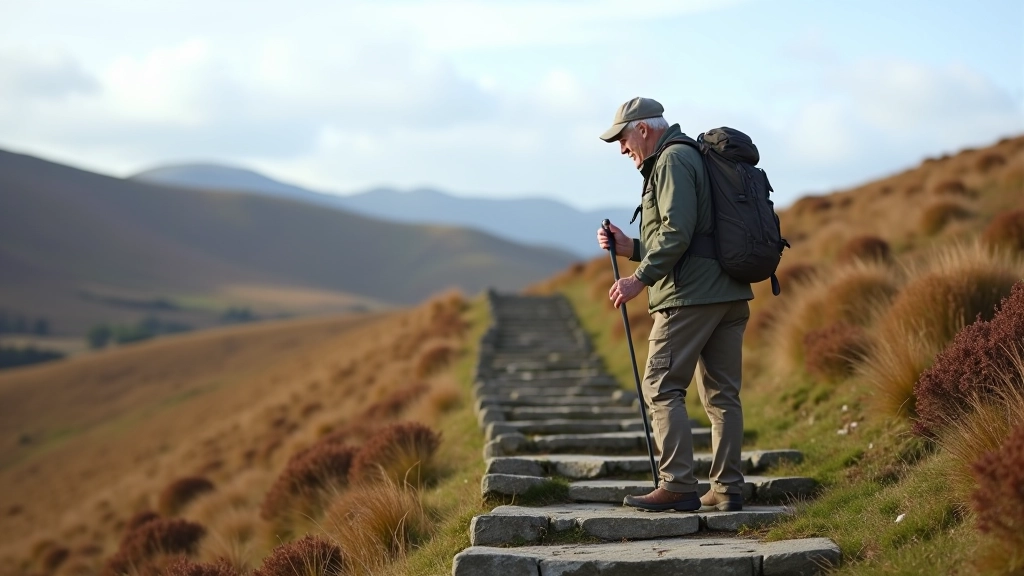
Your breathing is everything on steep climbs. Most people hold their breath without realizing it, which makes their muscles tighten up and exhaustion hit faster. Don't do that.
Use rhythmic breathing instead. Breathe in through your nose for 2-3 steps. Out through your mouth for 2-3 steps. Keep it consistent. You're not hyperventilating — you're just syncing your breath with your movement.
If you find yourself gasping, you've gone too fast. Slow down. Your oxygen levels will stabilize within seconds. We're talking about a 15-20 minute climb, not a sprint. There's no prize for doing it quickly.
Knowing Where to Rest and How Long
You'll spot natural rest points roughly every 40-50 steps. These are the flatter sections where the stairs level off momentarily. Don't feel guilty about stopping there. It's not cheating — it's smart hiking.
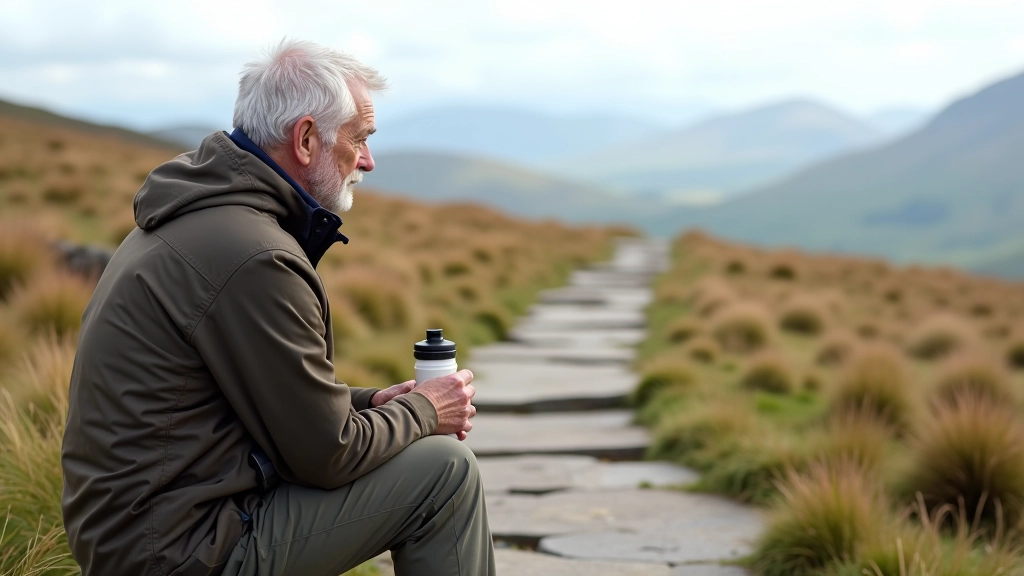
A 30-second stop is usually enough. Longer than that and your muscles stiffen up, making the restart harder. Quick breaks are better than long ones. Drink water. Catch your breath. Move on.
Rest Point Strategy
Stop at each natural plateau. Don't push past 2-3 rest points without stopping — that's when people hit real trouble. There's no shame in taking breaks. Everyone does it.
If you need longer breaks, that's fine too. Sit down completely. Let your heart rate come down properly. Some people need a full minute, and that's okay. You'll still make it to the top.
Important Information
This guide is informational and based on typical hiking experiences on the Cuilcagh summit stairway. Individual fitness levels, health conditions, and weather variations can affect your experience significantly. Always assess your own fitness before attempting steep climbs. If you have existing health concerns, consult a medical professional before hiking. Weather can change rapidly — check conditions before you go and turn back if conditions become unsafe. The stairway is exposed with significant wind exposure near the summit. Proper footwear and weather-appropriate clothing are essential.
You've Got This
The summit stairway isn't some impossible barrier. It's a well-built path up a mountain, and thousands of people walk it every year. You'll be one of them. Pace yourself, breathe steadily, take breaks when you need them, and you'll reach that summit feeling genuinely proud of yourself.
The view from the top is worth every single step. You're not just reaching a higher elevation — you're experiencing something that doesn't come easy, and that's exactly what makes it memorable.
Ready to explore the full Cuilcagh experience?
Read the Complete Boardwalk Guide