
Why Hiking Works for Pensioners
You don't need to be 30 to enjoy a proper mountain hike. The boardwalk and stairway at Cuilcagh aren't just tourist attractions — they're genuinely accessible routes where you can move at your own pace and build real confidence on a mountain. We've worked with hundreds of people over 60, and here's what we've learned: it's not about speed or distance. It's about choosing the right approach, knowing your body, and pacing yourself smartly.
The beauty of this trail is that you're never forced into anything. You can walk the boardwalk for 45 minutes and call it a win. You can tackle the stairs in stages, sitting down whenever you need to. You're in control. And honestly, that's what makes the difference between someone who hikes once and never goes back, versus someone who gets hooked and comes back month after month.
Start with the Boardwalk — Build Your Base
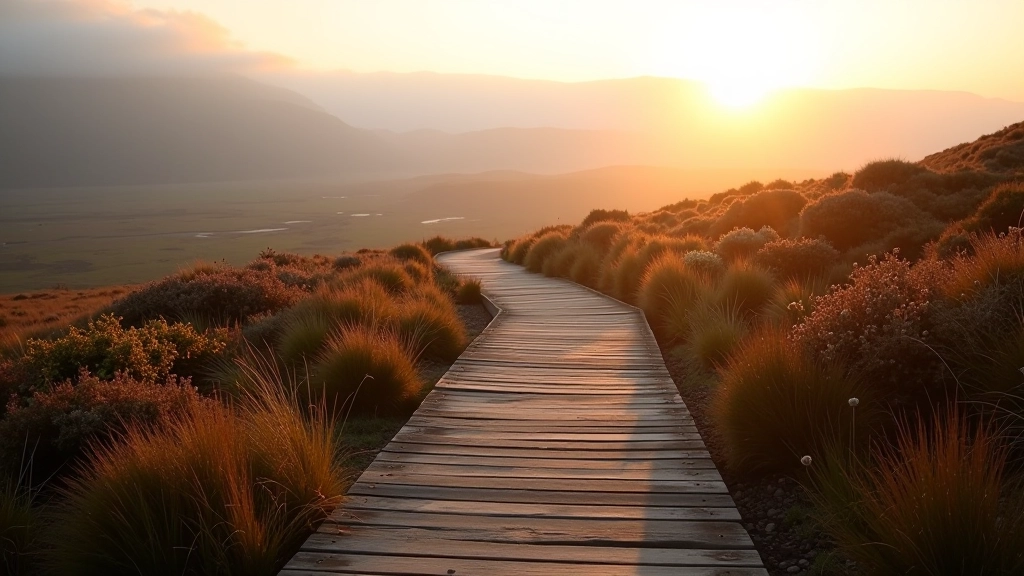
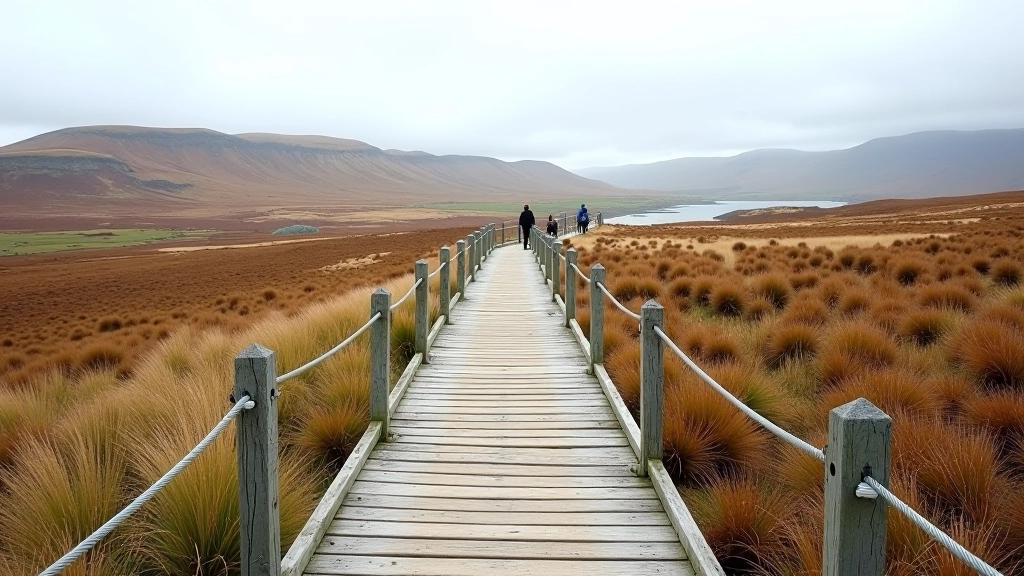
The boardwalk is where most people should start, regardless of fitness level. It's flat, well-maintained, and you're never more than 10 minutes from the carpark. That's not a limitation — that's freedom. You can decide how far to walk without worrying about getting stuck halfway up a mountain.
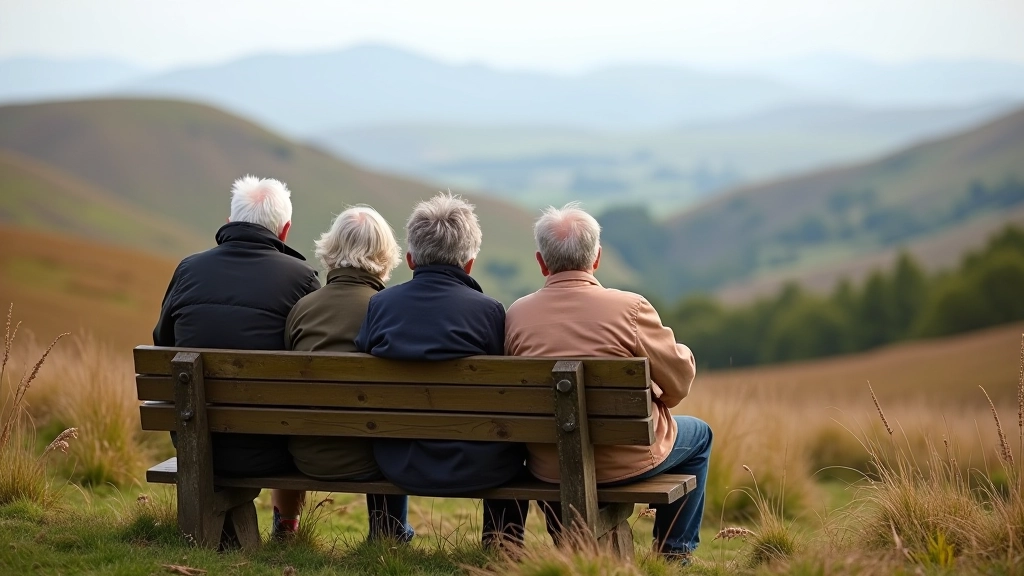
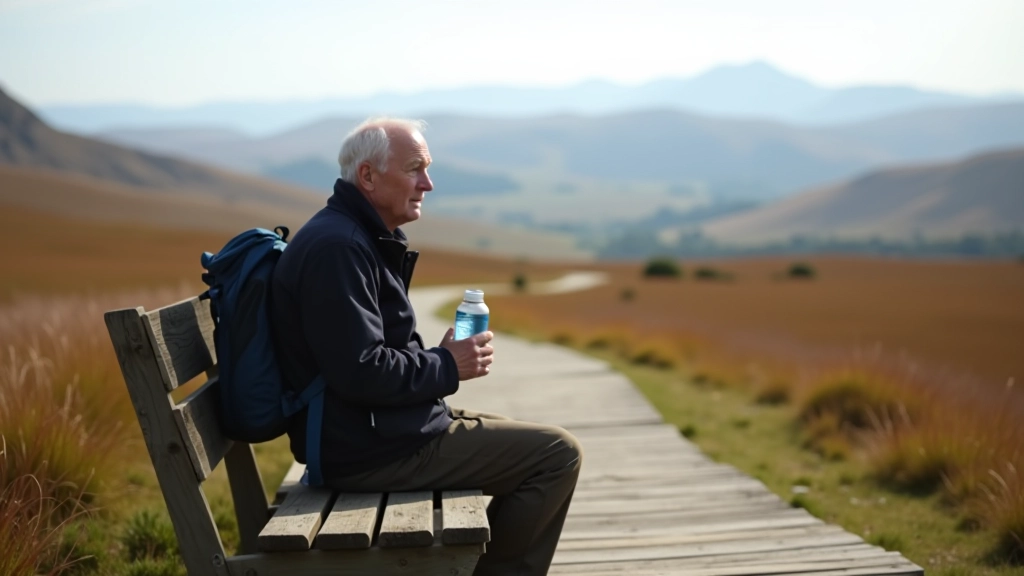
First Visit Strategy: Walk the boardwalk for 20-30 minutes, take photos, sit on the benches. Feel the rhythm of your breathing. Notice where you feel it — your legs, your chest, your lungs. This isn't about pushing yourself. It's about learning how your body responds to elevation and movement.
Most people who've been sedentary for years find that after three visits to the boardwalk, they're breathing easier and their legs don't ache the next day. That's real progress. Build on that. There's no rush to do the stairs. The boardwalk will always be there, and you'll get stronger just by repeating it.
Tackling the Stairs: Pacing and Rest Points
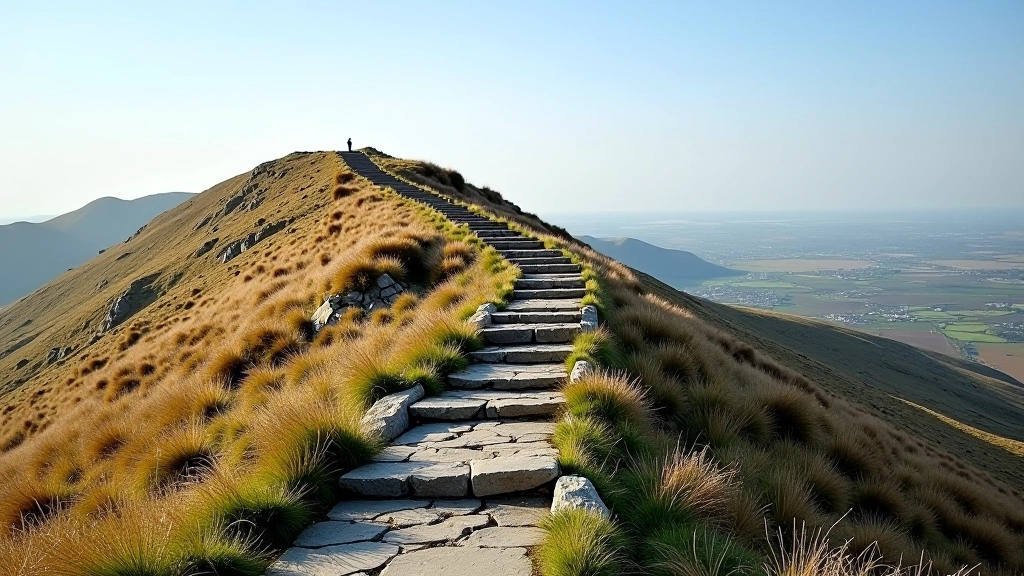
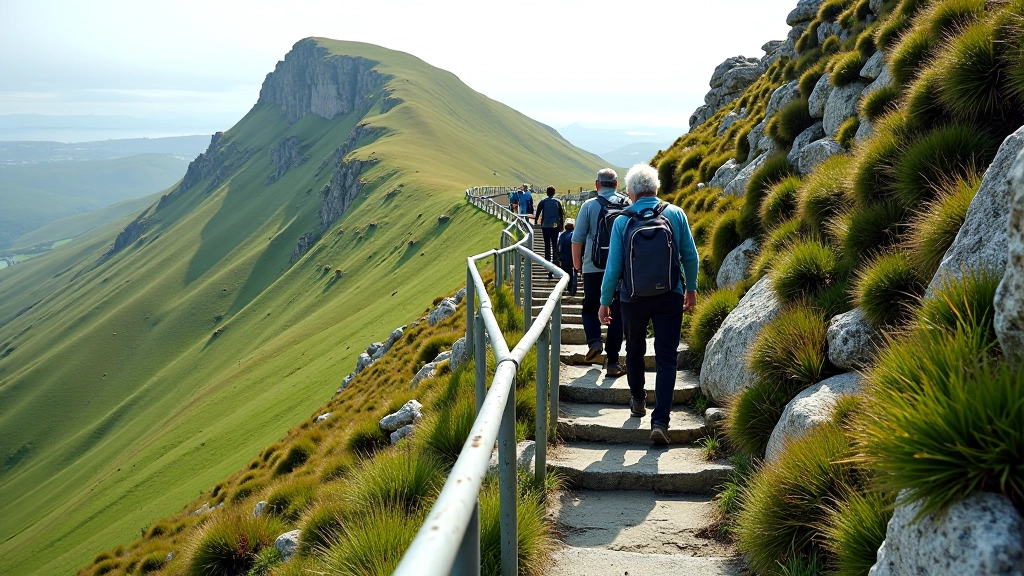
Once you've got the boardwalk down, the stairs become less intimidating. But let's be honest — 262 steps is a lot when you're not used to climbing. The secret isn't pushing harder. It's breaking it into chunks and knowing where you can rest.
The Stairway Breakdown: There are three natural resting points on the stairs. Reach the first landing (about 80 steps), take 2-3 minutes to breathe and look around. Then tackle the next section. You'll notice your heart rate comes down faster each time you rest. That's adaptation happening.
Don't compete with faster hikers. Seriously. Some 70-year-olds will pass you. Some 35-year-olds will be struggling. The stairs don't care how old you are — they only care how you pace yourself. Take them slow. Grip the handrail if you need to. There's no shame in that. And once you're at the top? The view makes every step worth it.
Important Information
This article is informational and educational in nature. It's based on general outdoor access principles and typical hiking experiences. Everyone's fitness level, health conditions, and physical capabilities are different. Before attempting any mountain hike, especially if you have joint issues, cardiovascular concerns, or haven't exercised regularly, consult with your doctor or a healthcare professional. They know your medical history and can advise whether hiking is appropriate for you. Outdoor activities carry inherent risks — weather changes, uneven terrain, and altitude affect people differently. Bring appropriate gear, tell someone where you're going, and don't hesitate to turn back if you feel unwell.
What Your Body Actually Needs
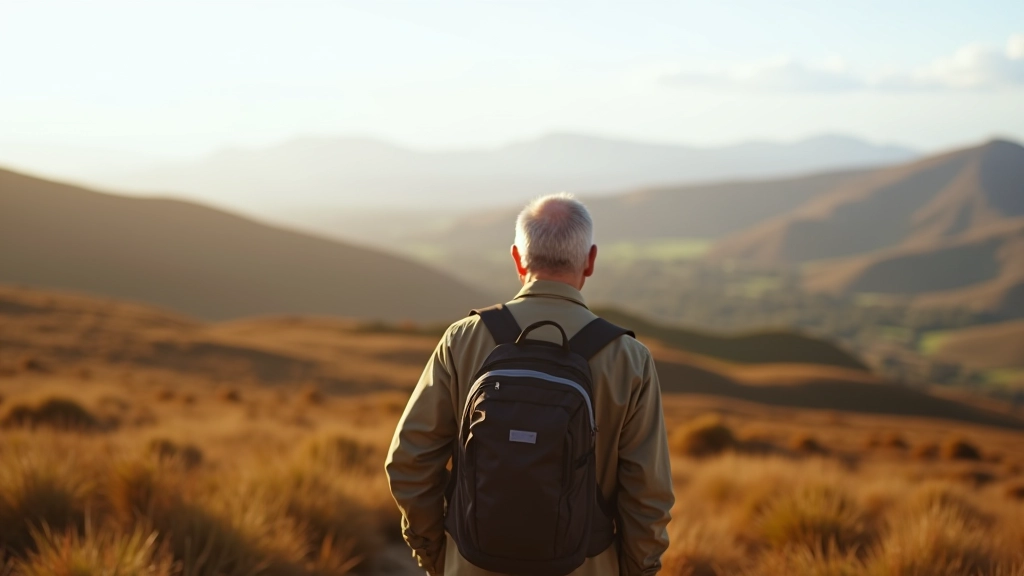
Forget expensive hiking gear. You need: decent shoes with grip (not fancy trainers), water, and something to eat. That's it. Most pensioners who hike regularly keep it simple — a small rucksack, a sandwich, a bottle of water. Nothing fancy.
What matters more is knowing your limits and respecting them. If you're tired, stop. If your knee starts hurting differently than usual, that's your signal to ease back. Your body talks to you — you've just got to listen. After three or four visits, you'll know exactly how much effort the boardwalk takes. You'll know how many stairs you can climb before needing a proper rest. That knowledge is power.
Bring water: A 500ml bottle minimum. Dehydration makes everything harder and recovery slower.
Wear layers: Mountain weather changes fast. A light jacket and a fleece cover most situations.
Eat something: A banana or a cereal bar before you start prevents energy crashes mid-hike.
Use the handrails: They're there for a reason. No one's judging. Everyone uses them at some point.
Building Confidence Over Time
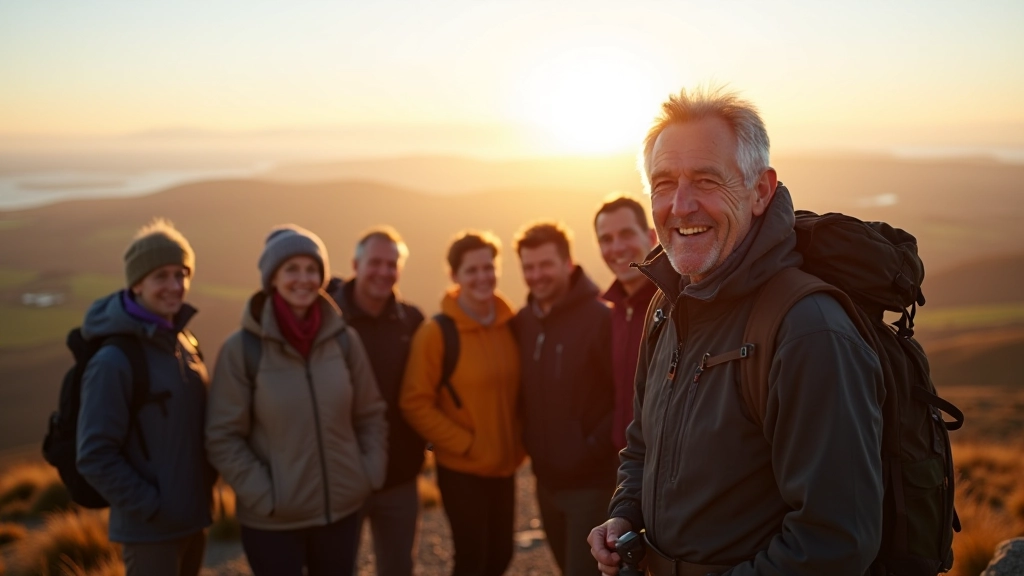
Here's what we see happen: someone comes up for their first time, a bit nervous, unsure if they can do it. By their third or fourth visit, they're not nervous anymore. They've learned the route, they know where the tough bits are, and they've proven to themselves they can handle it. That shift is everything.
The mountain doesn't change. But you do. Your legs get stronger. Your breathing becomes more efficient. Your mind stops worrying about "can I do this?" and starts enjoying "I'm actually doing this." We've had people in their 70s who'd never climbed anything before reach the top of those stairs and cry. Not from exhaustion — from joy. From realizing they're capable of more than they thought.
That's not just fitness improvement. That's confidence. And confidence carries over to everything else. You'll walk differently. You'll feel differently about your body and what it can do. You're not becoming an athlete. You're becoming someone who hikes mountains. There's a difference, and it matters.
Your Next Steps
Start small. Do the boardwalk. Do it again. Do it a third time. When you're ready, try a few stairs. Rest. Come back the next month and do more. This isn't a race. There's no deadline. The mountain will be there whenever you're ready, and you'll get stronger and more confident with each visit. That's how real, lasting change happens — slowly, steadily, and in a way that sticks with you.
Ready to Explore More?
Learn the details of what to expect on the boardwalk, how to pack properly, and strategies for tackling the stairs at your own pace.
Related Articles